
001
Consultation and diagnosis
The doctor examines the lesion, distinguishes a wart from a corn or age spot, assesses the type, depth and number of warts, and confirms the skin is suitable for treatment.

024CO2 LASER
Wart and mole removal, diagnosed and performed by an independent Hong Kong registered doctor
Warts are caused by HPV, are contagious and rarely respond to creams. An independent Hong Kong registered doctor in a licensed clinic diagnoses the lesion, then vaporises it with a 10,600nm CO2 laser or freezes it with liquid nitrogen at -190°C.
Careful measurement and a detailed consultation
Measured for an overall, natural result
Warts are a common skin infection caused by human papillomavirus (HPV). The virus enters through tiny breaks in the skin and makes the epidermal cells multiply into raised, rough little lumps that can appear anywhere on the body; common, flat and plantar warts are the usual types. They are contagious, and many people find that months of creams do nothing.
Does any of this sound familiar?
Cosmed
Wart removal is led by an independent Hong Kong registered doctor in a licensed clinic, who first diagnoses the lesion, telling a wart from a corn or an age spot, and then chooses the method by site and depth. The CO2 laser vaporises wart tissue at about 10,600nm and is used mainly on the face, neck and stubborn warts; the wound is small and recurrence is low. Cryotherapy freezes the wart with liquid nitrogen at -190°C so it crusts and falls off, and suits small superficial warts with less discomfort. Larger or deeper warts can be treated by electrocautery or excision.
A doctor diagnoses and assesses the skin first, and both cryotherapy and laser treatment are performed by an independent Hong Kong registered doctor.
A carbon dioxide laser at about 10,600nm vaporises the wart tissue and ablates the surface to clear infected tissue. It is mainly used on the face, neck and stubborn warts. The wound is small and recurrence is low.
A liquid nitrogen spray at -190°C freezes the superficial tissue so the wart dries, crusts and falls off; any hardened surface of the wart is scraped away first if needed. It works well for small, superficial warts and is less painful; deeper warts may need several sessions.
Beyond laser and freezing, larger or deeper warts can be treated by electrocautery, and warts that do not respond to freezing can be excised under local anaesthetic, with a very low recurrence rate.
001
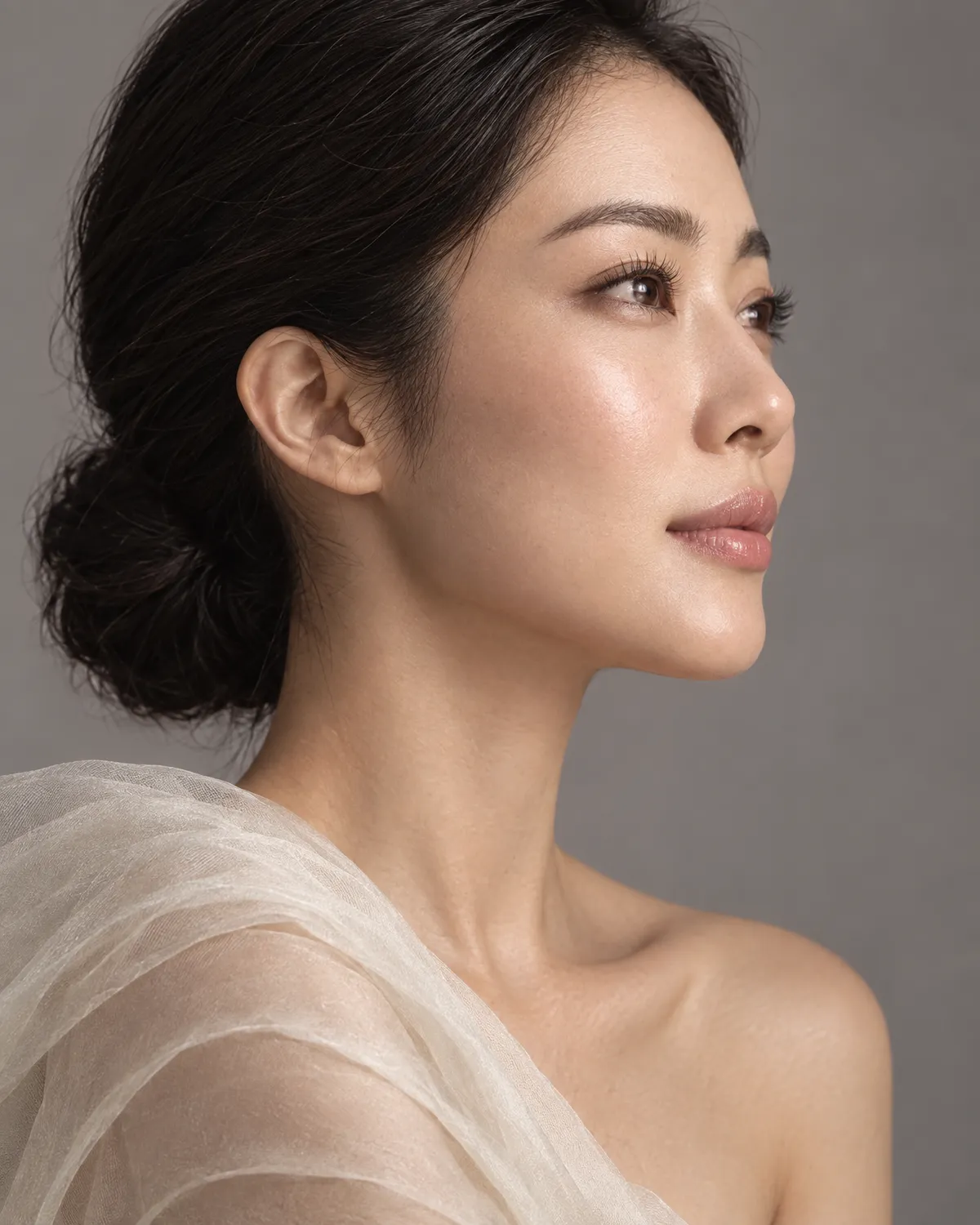
The doctor examines the lesion, distinguishes a wart from a corn or age spot, assesses the type, depth and number of warts, and confirms the skin is suitable for treatment.
002
Laser, cryotherapy, electrocautery or excision is chosen according to the site and depth. Warts on the face and neck and stubborn warts are usually lasered; small superficial warts can be frozen.
003
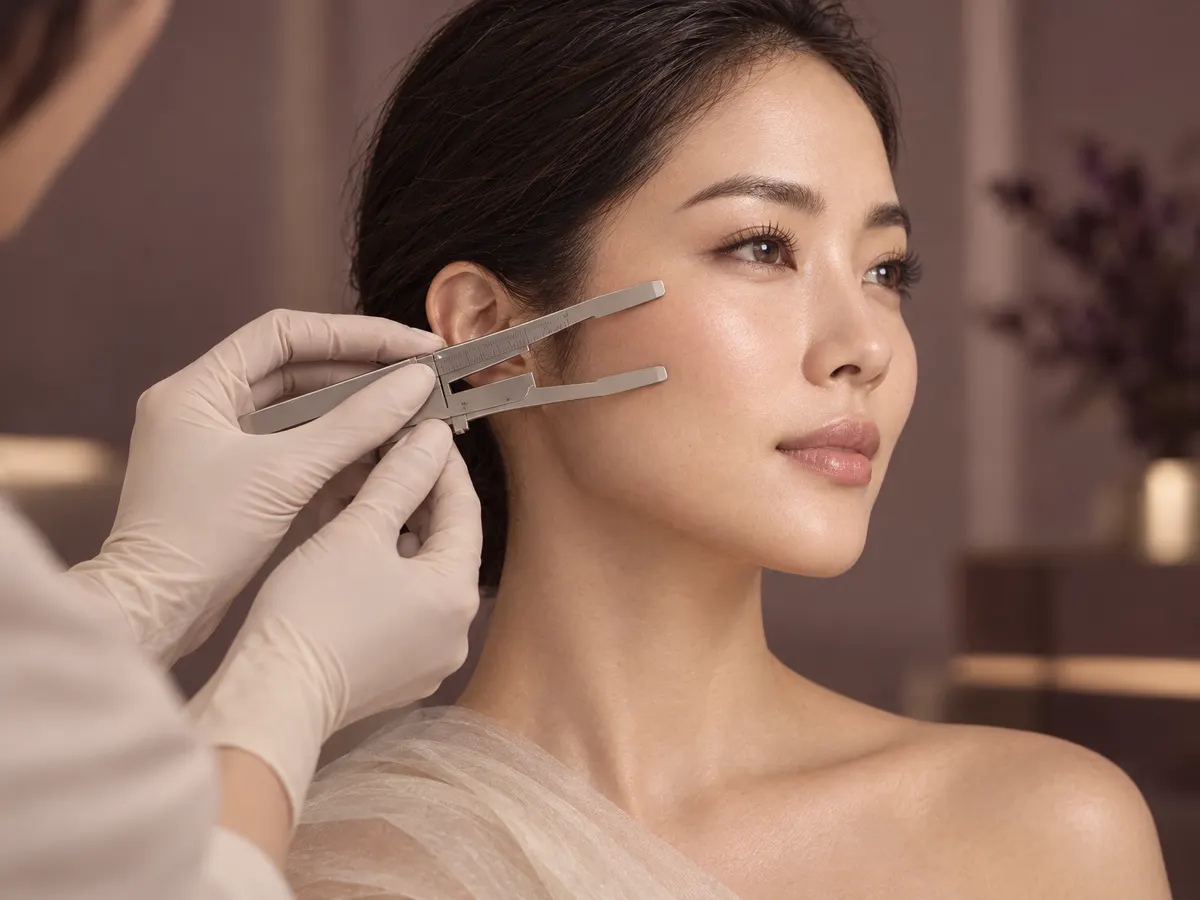
A therapist cleanses the skin and applies numbing cream to the area, then an independent Hong Kong registered doctor uses the fractional CO2 laser to penetrate the skin precisely and clear the wart from the root. The procedure is minimally invasive.
004
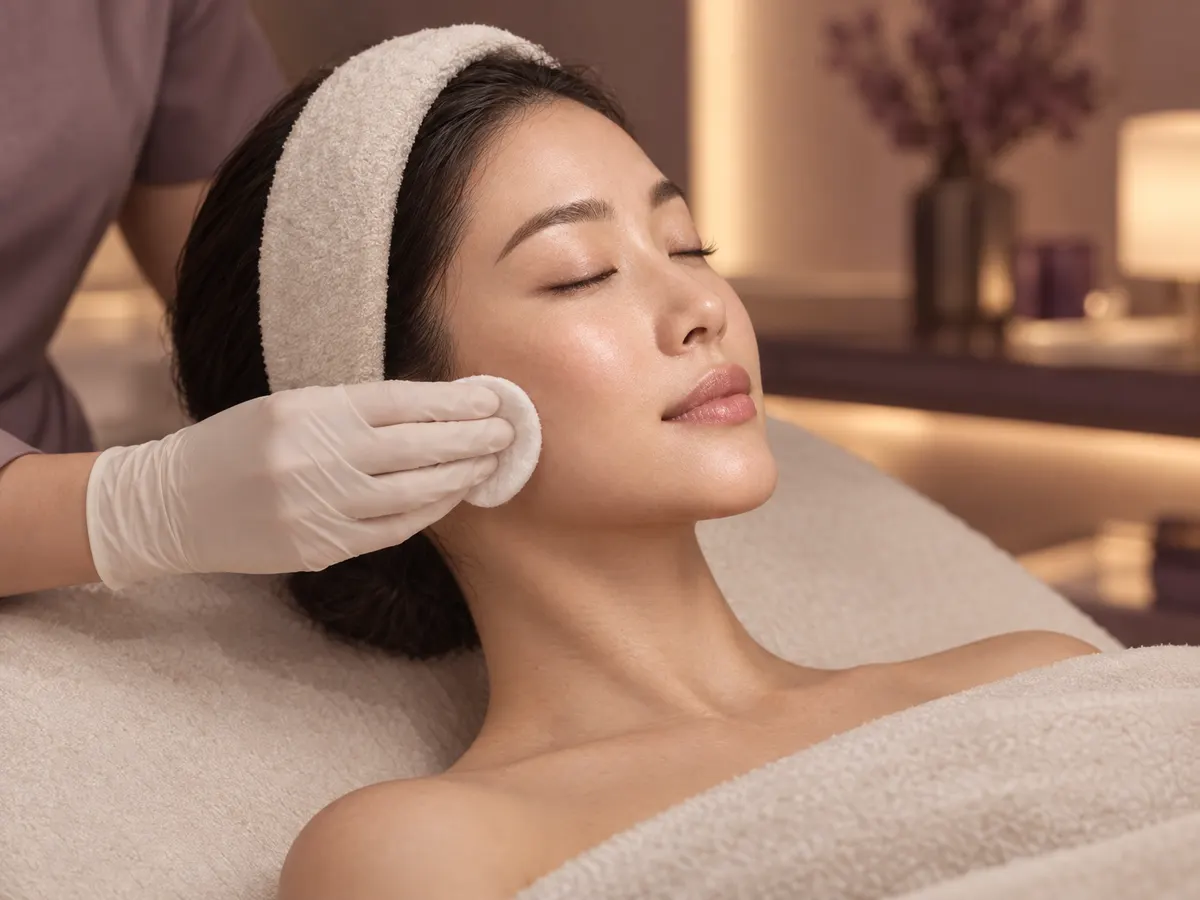
Only a tiny wound remains, and it scabs and falls off on its own; recovery varies from person to person and the doctor explains it at assessment. Meanwhile avoid sharing personal items and touching the area, to stop the virus spreading.

GOOGLE REVIEWS
4.9★★★★★137 Google reviews
★★★★★
Good service, nice staff, nice place!!
★★★★★
Professional doctor and nice staff.
★★★★★
I have been coming to [the doctor] for a few years for beauty procedures. He is professional, precise, and able to provide suggestions that best suit my needs. Also the team is always attentive and patient, friendly, answering all questions promptly, especially Irene and Stephy, they are excellent. I've never felt pushed or stressed to purchase any treatment here, they are always very patient in giving advice. Highly recommended.
★★★★★
Very nice, staff is very kind and patient!
★★★★★
This is a very nice place, and it's a very nice environment.
★★★★★
Very friendly consultant. Very professional and experienced team.
Excerpts from Google, five-star reviews only. To avoid promoting individual doctors, doctor names are replaced with [醫生] / [the doctor], and some passages are shortened with “…”. Results vary.
COSMED
The team offers professional, objective and genuinely useful aesthetic consultation, with a personalised plan for each person.
Unit A, 12/F Zhongda Building, 38–40 Haiphong Road, Tsim Sha Tsui
Mon–Sat 10:00–20:30 · +852 2326 2262
Can’t find your answer? WhatsApp us and a consultant will reply during opening hours.
Ask on WhatsAppWarts are caused by human papillomavirus (HPV). The virus enters through tiny breaks in the skin and makes the epidermal cells multiply into a rough little lump. Apart from the appearance there are usually no other symptoms, though a few people feel itching or pain. Common types are common warts (raised, brown, rough keratinised bumps on the hands, around the nails and on the limbs), plantar warts (soles of the feet, often in children and teenagers; thicker, and when large they can become painful and swollen and make walking uncomfortable), flat warts (smooth, flat and skin-coloured on the forehead, face, forearms and shins, often mistaken for age spots) and genital warts (on the genitals and around the anus, mainly spread through unprotected sexual contact).
Anyone, at any age and of either sex. They are most common in children and young people.
A wart has small black dots inside the thickened skin, an uneven surface, and often several lesions around it. Age spots are a benign overgrowth of the epidermis linked to sun exposure, skin ageing and chronic inflammation. They mostly appear after 50 on the face, forehead, back, neck and chest, starting as flat yellow-brown bumps that darken and thicken over time. Flat warts usually appear suddenly as pinhead- to grain-sized flat bumps that are smooth and firm to the touch.
Wart creams mostly contain salicylic acid, which softens the keratin and epidermis if applied persistently, but it takes a long time and a lot of patience.
The wart virus is contagious, so it is best to have warts treated early to avoid passing them on to others.
After a consultation to confirm your skin is suitable, a therapist cleanses the area and applies numbing cream. The fractional CO2 laser then penetrates the skin precisely and clears the wart from the root. Local comfort measures are used before treatment. It is minimally invasive, leaving a tiny wound that scabs and falls off on its own; recovery varies from person to person and the doctor explains it at assessment.
*Results vary from person to person. Cosmed provides medical aesthetic consultation and is not a medical institution; all minimally invasive and injectable treatments are assessed and performed by independent Hong Kong registered doctors in licensed clinics.